
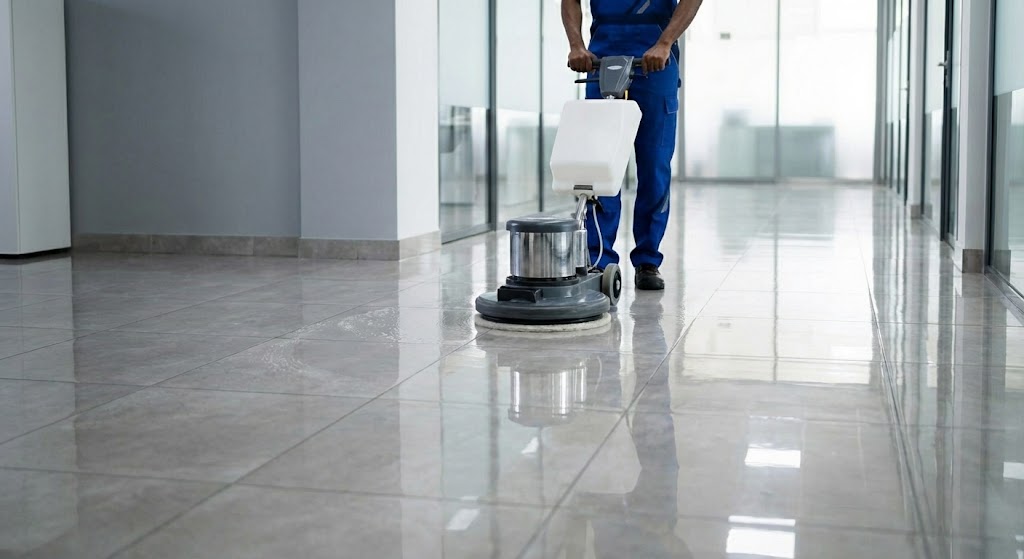
You’ve hired a professional cleaning team. They come in regularly, scrub the floors, empty the trash, and make everything shine. That’s great! But what happens in between those visits? Your office doesn’t pause. People walk in and out. Coffee gets spilled. Desks pile up with papers. Dust settles. Germs spread.
The truth is, even with the best office cleaning service in Blaine, MN, stopping by weekly or biweekly, your workspace needs daily attention. Think of professional cleaners as your deep-cleaning team. They handle the big stuff. But keeping things tidy day-to-day? That’s on everyone who works there.
A clean office isn’t just about looks. It keeps people healthy. It helps them focus better. It makes a good impression when clients walk through the door. And when you maintain basic cleanliness between professional visits, those deep cleans become even more effective. Commercial janitorial service in Blaine focuses on the tough jobs instead of picking up yesterday’s mess.
Here you’ll learn simple, practical ways to keep your office clean without needing a degree in housekeeping. These office cleaning tips work for small businesses, large companies, and everything in between.
Why Maintaining Office Cleanliness Matters
Let’s talk about why this actually matters. It’s not just about making the place look nice for the boss.
- Health comes first. Offices are germ factories. Studies show that the average desk has more bacteria than a toilet seat. Yes, really. Keyboards, phones, door handles: these things get touched hundreds of times a day. When one person gets sick, those germs spread fast. Regular cleaning cuts down on sick days, which saves money and keeps projects moving.
- People work better in clean spaces. Ever tried to focus when your desk looks like a paper explosion? It’s tough. A messy environment creates mental clutter. When things are organized and clean, people think more clearly. They feel better about coming to work. Morale goes up. Productivity follows.
- First impressions count. Imagine a potential client walking into your office. They see overflowing trash cans, dirty floors, and a grimy break room. What does that say about how you run your business? Not much. A clean office tells visitors you care about details and take pride in what you do.
- It makes professional cleaning easier. Your office janitorial service can only do so much in their scheduled time. If they spend half the visit picking up clutter and dealing with built-up grime, they can’t focus on the deep cleaning that really matters. When you maintain the basics between visits, you get more value from your cleaning service.
Here’s something to think about: regular cleaning and disinfection can help reduce illness-related absences. That’s a huge win for any business.
Daily Cleaning Habits That Make a Difference
The secret to office janitorial maintenance between professional visits is simple: do a little bit every day. These tasks take just a few minutes, but they add up to a much cleaner workspace.
- Wipe down high-touch surfaces. Door handles, light switches, keyboards, phones, shared tablets, anything people touch a lot needs daily attention. Keep disinfectant wipes nearby. At the end of each day (or even midday), give these surfaces a quick wipe. This one habit stops germs from spreading like wildfire.
- Empty trash and recycling bins before heading home. Don’t wait until bins overflow. Make it a daily habit. Full trash attracts bugs, smells bad, and looks unprofessional. It takes two minutes to walk around with a trash bag. Those two minutes save a lot of headaches.
- Keep desks clutter-free. Encourage a clean desk policy. At day’s end, papers go in drawers or filing cabinets. Coffee mugs head to the dishwasher. Pens go in holders. A clear desk is easier to wipe down and keeps the whole office looking sharp.
- Spot clean break room and kitchen surfaces. Someone spills coffee? Clean it now, not later. Crumbs on the counter? Wipe them up. Food spills turn gross fast, especially in warm weather. A quick wipe after lunch keeps the break room from becoming a disaster zone.
- Quick sweep or vacuum high-traffic areas. The front entrance gets the most foot traffic, which means the most dirt. A quick sweep or vacuum of entryways and hallways keeps dirt from spreading through the whole office. Keep a small handheld vacuum or broom nearby for easy access.
These aren’t big jobs. They’re quick maintenance tasks that prevent small problems from becoming big ones.
Daily Checklist Example
| Task | Frequency | Who |
| Wipe shared desks and surfaces | Daily | Staff members |
| Empty small bins | Daily | Admin or team rotation |
| Sanitize phones and keyboards | Daily | Desk owner |
| Sweep entryways | Daily | Office support or volunteers |
| Clean break room counters | Daily | Whoever uses it last |
| Organize common areas | Daily | Team effort |
Print this checklist and post it somewhere everyone can see. When people know what’s expected, they’re more likely to pitch in.
Weekly Tasks to Bridge the Gap
Some jobs don’t need doing every single day, but they can’t wait until the monthly deep clean either. These weekly tasks fill the gap and keep your office looking good between professional visits.
- Thorough floor vacuuming and mopping. Daily sweeping catches the obvious stuff, but once a week, go deeper. Vacuum under desks. Mop hard floors properly. Get into corners where dust bunnies hide. This keeps floors from looking dingy and extends their life.
- Clean glass doors and partitions. Fingerprints and smudges show up fast on glass. Once a week, spray them down and wipe them clean. It makes a surprising difference in how bright and professional your office looks.
- Deep clean break room appliances. The microwave, coffee maker, and refrigerator need weekly attention. Wipe down the microwave inside and out. Run cleaner through the coffee maker. Throw out old food from the fridge. Nobody wants to work in an office that smells like mystery leftovers.
- Give restrooms extra attention. If you have office restrooms, they need more than daily tidying. Once a week, scrub toilets, sinks, and floors more thoroughly. Restock supplies. Check that everything works. Clean mirrors until they sparkle.
- Organize and declutter common areas. Conference rooms collect clutter. Storage areas get messy. Take time weekly to straighten things up, file papers, and return items to where they belong.
These tasks complement what your professional cleaning team does. They’re the middle layer between daily maintenance and deep professional cleaning.
ALSO READ: Winter Office Cleaning Tips for Minnesota Businesses
Tips for High-Traffic and Shared Areas
Some parts of your office get way more use than others. These spots need extra attention if you want to keep things clean between professional visits.
- Reception and waiting areas are the first thing visitors see. Keep magazines neat. Fluff cushions. Vacuum daily if possible. Empty any trash. This area represents your whole business, so it deserves special care.
- Break rooms and kitchens get hammered. People eat there multiple times a day. Food attracts mess and smells. Clean counters after every meal break. Keep the sink empty. Run the dishwasher regularly. Post simple rules like “clean up after yourself” to set expectations.
- Restrooms are obvious. They need constant attention. Check them multiple times per day if you have a lot of employees. Make sure soap, paper towels, and toilet paper stay stocked. A clean restroom shows respect for your team.
- Conference rooms get used for meetings, presentations, and client visits. After each meeting, someone should wipe the table, push in chairs, and check the floor. It takes 30 seconds and keeps the room ready for the next use.
- Elevator buttons and door handles get touched by everyone. These are prime spots for germ transfer. Wipe them down at least once daily, more if your office has heavy traffic.
- Shared printers and scanners collect dust and fingerprints. Weekly wipe-downs keep them looking professional and working well.
Focus your energy where it matters most. These high-traffic areas impact how clean your whole office feels.
Tools and Supplies Worth Keeping On-Site
You can’t clean without the right tools. Stock your office with these essentials so anyone can tackle messes as they happen.
- Microfiber cloths and disinfectant spray are your best friends. Microfiber picks up dust and germs better than regular clothes. Disinfectant spray kills bacteria and viruses. Keep both in easy-to-reach spots throughout the office.
- Hand sanitizer stations should be everywhere. Put them at entrances, near shared equipment, outside restrooms, and in the break room. When people can’t wash their hands, sanitizer is the next best thing.
- Disposable wipes work great for quick cleanups. Keep containers at every desk and in common areas. They make it easy for people to clean their own spaces without hunting for supplies.
- Small vacuum or broom and dustpan help tackle immediate messes. Someone drops a whole container of paperclips? Grab the vacuum. Crumbs under the lunch table? Quick sweep. Don’t wait for the cleaning crew.
- Trash liners and recycling bins in every room prevent garbage from piling up. Make it easy for people to throw things away properly. Clearly label recycling bins so people know what goes where.
- Paper towels and all-purpose cleaner handle most spills and messes. Keep them stocked in the break room and bathrooms.
- Mop and bucket for quick floor cleanup. Spilled coffee? Don’t let it sit and stain. Mop it up right away.
Having supplies on hand removes excuses. When cleaning is convenient, people actually do it.
Creating a Clean Office Culture
Here’s the thing: you can have all the best office cleaning tips in the world, but they won’t help if nobody follows them. Creating a culture of cleanliness makes all the difference.
- Set a Clean Desk Policy. Make it official. At the end of each day, desks should be clear. Not only does this look better, but it also makes it easier for your office janitorial service to do their job. When cleaning crews don’t have to work around piles of stuff, they can actually clean surfaces.
- Assign quick cleanup roles. Don’t leave it to chance. Rotate responsibility for tasks like emptying the break room dishwasher or wiping down shared surfaces. When someone owns a task, it gets done.
- Place reminder signs. A simple “Please wipe down after use” sign in the break room works wonders. People forget. Friendly reminders help. Keep signs positive and helpful, not bossy or negative.
- Provide accessible supplies. If people have to hunt through three closets to find a sponge, they won’t bother. Put cleaning supplies where they’re needed. Make it easier to clean than to leave a mess.
- Lead by example. If managers keep messy offices, staff will too. If leadership cleans up after themselves and follows the rules, everyone else will notice and follow along.
- Celebrate improvements. Notice when the office looks great. Say something. Thank people. Positive reinforcement builds good habits.
A clean office culture means everyone takes ownership. It’s not about being the cleaning police. It’s about shared respect for the workspace.
When to Rely on Professional Janitorial Services
Let’s be clear: everything we’ve talked about supports professional cleaning, it doesn’t replace it. There are jobs that need expert equipment, experience, and time. That’s where your Commercial Janitorial Service Blaine comes in.
- Deep sanitization goes beyond wiping surfaces. Professional cleaners use hospital-grade disinfectants and proper techniques to kill germs in ways regular cleaning can’t match. This matters for health and safety.
- Floor care requires special knowledge. Different floors need different treatments. Carpet cleaning, floor buffing, tile sealing: these aren’t DIY jobs. Professionals have the right equipment and know-how to keep floors looking good and lasting longer.
- Restroom deep cleaning is a whole different level. Professionals sanitize toilets, urinals, sinks, and floors thoroughly. They clean grout, descale fixtures, and handle things most people would rather not touch.
- Hard-to-reach areas like ceiling vents, light fixtures, and high windows need professional attention. They have the ladders, tools, and training to do these jobs safely.
- Specialized cleaning for things like upholstery, window washing, or post-construction cleanup requires expertise and equipment you probably don’t have in-house.
- Time and consistency are major factors. A good office cleaning service in Blaine, MN comes on a regular schedule and does thorough work. They don’t cut corners because they’re tired from their regular job.
Think of it this way: you keep your car clean between oil changes, but you still need the mechanic. Same principle. Daily maintenance plus professional service equals a truly clean office.
When choosing an office janitorial service, look for experience, good reviews, proper insurance, and clear communication. The right service becomes a partner in maintaining your workspace.
Conclusion
Learning how to keep an office clean between professional visits isn’t complicated. It comes down to a few simple principles: do a little every day, tackle bigger tasks weekly, focus on high-traffic areas, keep supplies handy, and build a culture where everyone contributes.
Combine these daily habits with a reliable commercial janitorial service in Blaine. At TLS Janitorial Service, we understand that professional cleaning works best when paired with good daily maintenance. We’re here to handle the deep cleaning while you keep things tidy in between. Call us at (763) 757-0202 to schedule an appointment.
FAQs
How often should office surfaces be wiped between professional cleans?
High-touch surfaces like door handles, keyboards, phones, and shared equipment should be wiped down daily. Regular desks and tables can be cleaned a few times a week, but spot-clean spills immediately. The more people touch something, the more often it needs cleaning.
Can employees help keep the office clean?
Absolutely. Simple daily tasks make a huge difference. When everyone pitches in with basic tidying, it takes pressure off the cleaning service and keeps the office looking good all week. Plus, people tend to respect spaces more when they help maintain them.
What supplies should offices keep on hand?
Stock disinfectant wipes, spray cleaner, microfiber cloths, paper towels, hand sanitizer, a small vacuum or broom, trash bags, and recycling bins. Having supplies readily available makes it easy for anyone to clean up messes as they happen.
How can I get my team to care about office cleanliness?
Set clear expectations with a clean desk policy. Make cleaning easy by providing supplies and assigning simple tasks. Lead by example. When leadership cleans up after themselves, others follow. Positive reinforcement works better than nagging.
What’s the difference between daily maintenance and professional cleaning?
Daily maintenance includes quick tasks anyone can do: wiping surfaces, emptying trash, spot-cleaning spills, and keeping things organized. Professional cleaning tackles deep sanitization, floor care, hard-to-reach areas, and specialized tasks that require training and equipment.
How do I know if I need more frequent professional cleaning visits?
If your office consistently looks messy or dirty between visits, if you’re noticing odors, if high-traffic areas are wearing down quickly, or if employees are getting sick often, you might need more frequent service. Talk to your cleaning company about adjusting the schedule.
What should I look for in an Office Cleaning Service in Blaine MN?
Look for experience in commercial cleaning, positive customer reviews, proper licensing and insurance, clear pricing, good communication, and flexibility with scheduling. A quality service will do a walkthrough, understand your needs, and create a custom plan.
Are green cleaning products effective for offices?
Yes. Modern eco-friendly cleaning products work just as well as traditional chemicals for most tasks. Many commercial janitorial services now offer green cleaning options that are safer for people and the environment while still killing germs and removing dirt effectively.
