
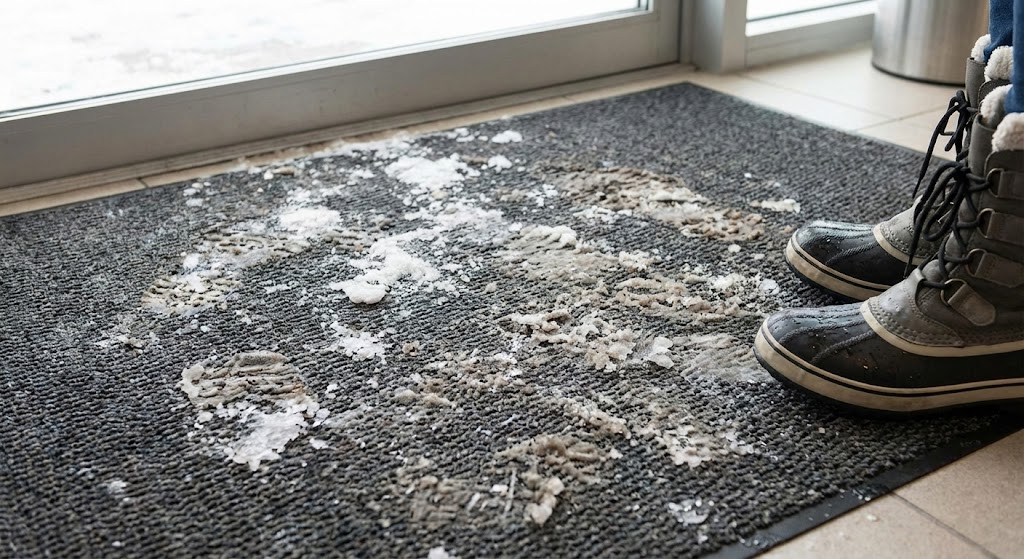
Another Minnesota winter is upon us. We all know the drill: the first magical snowfall quickly gives way to months of slush, ice, and that gritty layer of road salt. While we’re experts at layering up and navigating icy roads, we often overlook what the winter does to our workplaces. The snow, salt, and germs tracked into your office don’t just create a mess; they create unique challenges for health, safety, and the longevity of your facility.
In this guide, we’ve compiled practical, effective office cleaning tips to help Minnesota businesses thrive during the toughest season of the year and also where you can get the best office cleaning service in Blaine MN & in Minnesota.
Why Winter Office Cleaning Is Different in Minnesota
Cleaning an office in July is one thing; keeping it clean during a Minnesota winter is a completely different challenge. The combination of harsh weather and our indoor response to it creates a perfect storm for dirt, damage, and illness.
- Constant Moisture & Debris: Every person entering your building brings in snow, slush, and dirt. This moisture gets trapped in carpets, creating musty odors and the potential for mold and mildew growth.
- Corrosive Road Salt: The salt that keeps our roads safe is incredibly damaging to flooring. It scratches hardwood, eats away at wax finishes on VCT, and causes permanent staining and fiber damage in carpets.
- The Spread of Germs: When the windows are sealed shut for months, ventilation decreases. This, combined with drier indoor air, allows cold and flu viruses to circulate more easily among employees, leading to increased sick days and reduced productivity.
- Poor Indoor Air Quality: With less fresh air, dust, allergens, and airborne particles become concentrated indoors, which can affect employee health and comfort.
Common Winter Cleaning Problems in Offices
Do any of these sound familiar? These are the most frequent issues businesses face during the winter months.
- Messy Entryways: Your lobby is the first impression. In winter, it often becomes a battlefield of wet footprints, salt residue, and dirty puddles.
- White Salt Stains: That hazy, white film on carpets and hard floors isn’t just ugly; it’s a sign of corrosive damage happening in real-time.
- Soggy, Dirty Carpets: Wet carpets take a long time to dry in the winter, leading to unpleasant smells and becoming a breeding ground for bacteria.
- Germ Hotspots: Shared surfaces like door handles, coffee pots, and elevator buttons become major transmission points for winter illnesses.
- Dusty, Stale Air: Sealed windows mean dust and allergens have nowhere to go, building up on surfaces and circulating through your HVAC system.
Professional Office Cleaning Tips for a Healthier Workplace
Staying ahead of the winter mess requires a proactive strategy. Here are the core areas to focus on for a clean, safe, and productive office environment.
Protect Entryways from Snow & Salt
Your entrance is your first line of defense.
- Use a Dual-Mat System: Place a heavy-duty scraper mat outside your entrance to remove large debris and snow. Inside, use a long, highly absorbent walk-off mat to capture moisture and salt. A 10-15 foot mat is ideal.
- Prevent Slip Hazards: Puddles are a major liability. Ensure mats are always lying flat and floors are kept dry throughout the day.
- Daily Mopping: The floor area around your entryway should be mopped daily with a neutral floor cleaner to dissolve and remove tracked-in salt before it can cause damage.
Focus on Floor & Carpet Care
Your floors take the biggest beating in winter.
- Increase Vacuuming Frequency: Salt crystals are sharp and act like sandpaper on carpet fibers. Vacuuming high-traffic areas daily removes this abrasive grit before it gets ground in.
- Address Salt Stains Immediately: Use a specialized salt-removing solution to spot-treat those white stains. For a DIY fix, a simple solution of warm water and white vinegar can help dissolve salt on carpets and hard floors.
- Schedule a Mid-Winter Deep Clean: A professional carpet cleaning or hard floor deep scrub during the winter can remove the deep-down grit and salt buildup that regular cleaning can’t reach, extending the life of your flooring.
Increase High-Touch Surface Disinfection
With flu season in full swing, disinfecting is non-negotiable.
- Identify Your Hotspots: Make a list of all shared surfaces. This includes door handles, light switches, elevator buttons, conference tables, shared keyboards, and kitchen appliances.
- Disinfect Daily: These high-touch surfaces should be wiped down with an EPA-approved disinfectant at least once a day, or more often in very busy offices.
Pay Extra Attention to Restrooms
Restrooms are always a priority, but their importance doubles during office cleaning in winter.
- Consistent Sanitization: Restrooms need to be thoroughly cleaned and sanitized daily to prevent the spread of germs like norovirus and influenza.
- Keep Supplies Stocked: Ensure soap dispensers and paper towel holders are always full. Handwashing is the single most effective way to reduce illness.
Improve Indoor Air Quality
What you can’t see can still affect your team.
- Commit to Dusting: Dust all surfaces, including high and hard-to-reach areas like shelves and vents, with microfiber cloths that trap particles instead of just moving them around.
- Check HVAC Filters: Ensure your building’s HVAC filters are changed regularly to help capture airborne dust and allergens.
The Ultimate Winter Office Cleaning Checklist
Use this scannable checklist to keep your cleaning routine on track.
Daily Tasks:
- Check and clean all entrance mats (inside and out).
- Mop entryways and lobbies to remove water and salt residue.
- Vacuum all high-traffic carpeted areas.
- Disinfect all high-touch surfaces (door handles, light switches, etc.).
- Clean and sanitize restrooms, and restock all supplies.
- Clean and disinfect breakroom and kitchen surfaces.
Weekly Tasks:
- Dust all surfaces, including desks, shelves, and window sills.
- Thoroughly vacuum all carpeted areas, including edges.
- Mop all hard floors.
- Empty all trash and recycling bins.
Why Professional Janitorial Services Matter in Winter
Managing a comprehensive winter office cleaning checklist on top of your regular duties can be overwhelming. This is where professional help makes a significant difference. A team providing office janitorial service has the proper equipment, eco-friendly chemicals, and trained staff to handle winter’s unique challenges efficiently. They protect your flooring investment, help reduce workplace illness with consistent disinfection, and free up your time to focus on your business.
How Often Should Offices Be Cleaned During Winter?
This is a common question, and the answer depends on your facility.
- High-Traffic Offices: Daily cleaning is essential.
- Smaller, Low-Traffic Offices: 2-3 times per week may be sufficient, but daily entryway and high-touch surface cleaning is still recommended.
- During Flu Season: Increasing the frequency of disinfection is a smart move for any workplace.
A commercial winter janitorial service can help create a custom schedule that meets your building’s specific needs.
Winter Office Cleaning for Minnesota Businesses
Nowhere are these challenges more apparent than right here. A true Minnesota winter puts immense stress on our commercial buildings. From the heavy snow in Blaine to the freezing rain across the Twin Cities, having a cleaning plan designed for our specific climate is crucial for protecting your property and keeping your team healthy.
Conclusion
Winter in Minnesota is a marathon, not a sprint. By implementing a proactive and consistent cleaning strategy, you can protect your employees’ health, preserve the condition of your office, and maintain a professional appearance no matter what the weather throws at you.
If keeping up with winter’s demands feels like a full-time job, we’re here to help. A professional team can take the burden off your shoulders, ensuring your workplace is a safe, clean, and welcoming space all season long. Contact TLS Janitorial Service for a professional office cleaning in Minnesota and let us handle the winter mess for you.
FAQs
Why is winter office cleaning so important in Minnesota?
Winter cleaning in Minnesota is critical to manage the heavy influx of snow, ice, and corrosive road salt, which can damage floors and create slip hazards. It’s also vital for controlling the spread of germs in sealed, poorly ventilated indoor environments during peak cold and flu season.
How do you remove salt stains from office floors?
For hard floors, mop with a neutral cleaner. For carpets, vacuum thoroughly first, then spot-treat with a specialized salt remover or a mixture of equal parts white vinegar and warm water. Blot the area; don’t scrub.
How often should offices be cleaned during flu season?
During flu season, high-touch surfaces (doorknobs, elevator buttons, shared equipment) should be disinfected daily. Overall cleaning frequency should be maintained, with a heightened focus on sanitization.
How does winter weather damage office flooring?
Snow, ice, and road salt scratch floors, wear down finishes, and stain carpets. Without regular cleaning, this damage can become permanent.
What is the best way to protect office floors from road salt?
Use heavy-duty entrance mats, vacuum daily, mop with a neutral cleaner, and remove salt stains as soon as they appear.
Can road salt ruin office carpets?
Yes. Salt crystals cut carpet fibers and trap moisture, leading to stains, odors, and early carpet replacement if not removed quickly.
How can offices prevent slip and fall accidents in winter?
Keep entry mats dry, mop wet floors frequently, remove salt buildup, and clean entryways multiple times a day during snow events.
How often should office carpets be cleaned in winter?
High-traffic areas should be vacuumed daily and professionally cleaned at least once mid-winter to remove deep salt and dirt buildup.
Does winter increase germs in the workplace?
Yes. Closed windows, low humidity, and shared indoor spaces allow viruses like cold and flu to spread more easily during winter.
How does winter affect indoor air quality in offices?
Sealed buildings trap dust, allergens, and bacteria indoors, which can cause headaches, allergies, and respiratory issues for employees.
Can professional janitorial services help reduce employee sick days?
Yes. Regular disinfection, proper restroom cleaning, and improved air quality help reduce the spread of illness in winter.
What makes winter office cleaning in Minnesota different?
Minnesota’s heavy snow, freezing rain, and road salt cause more moisture, floor damage, and slip risks than milder climates.
Is daily office cleaning necessary during winter?
For busy offices, daily cleaning is strongly recommended to manage salt, moisture, germs, and safety risks.
What are signs an office needs professional winter cleaning?
Salt stains, slippery floors, musty carpet odors, frequent employee illness, and dirty entryways are key warning signs.
How do winter janitorial services protect office buildings?
They remove corrosive salt, prevent floor damage, improve hygiene, reduce liability risks, and extend the life of office surfaces.
